
If your aircraft, helicopter, submarine, or naval vessel depends on clean fluid systems, the filtration media you choose directly affects mission readiness.
FCP’s aerospace metal filters are the proven choice for applications where contamination and media degradation create operational risk. We’ve engineered precision metal filtration systems since 1943 for the platforms that can’t afford failure.
AS9100 (Rev. D) Certified. NADCAP Approved Supplier.
Your metal mesh filters are manufactured under a certified quality management system with full traceability from raw material to finished part. You’re not guessing on quality or compliance. It’s built into every filter we ship.


Traditional filter media fail in the same conditions your systems operate in every day. Here’s why metal filtration is the better choice.

Fiberglass and paper filter media shed particles as adhesive binders degrade under pressure, directly contaminating the systems they protect.
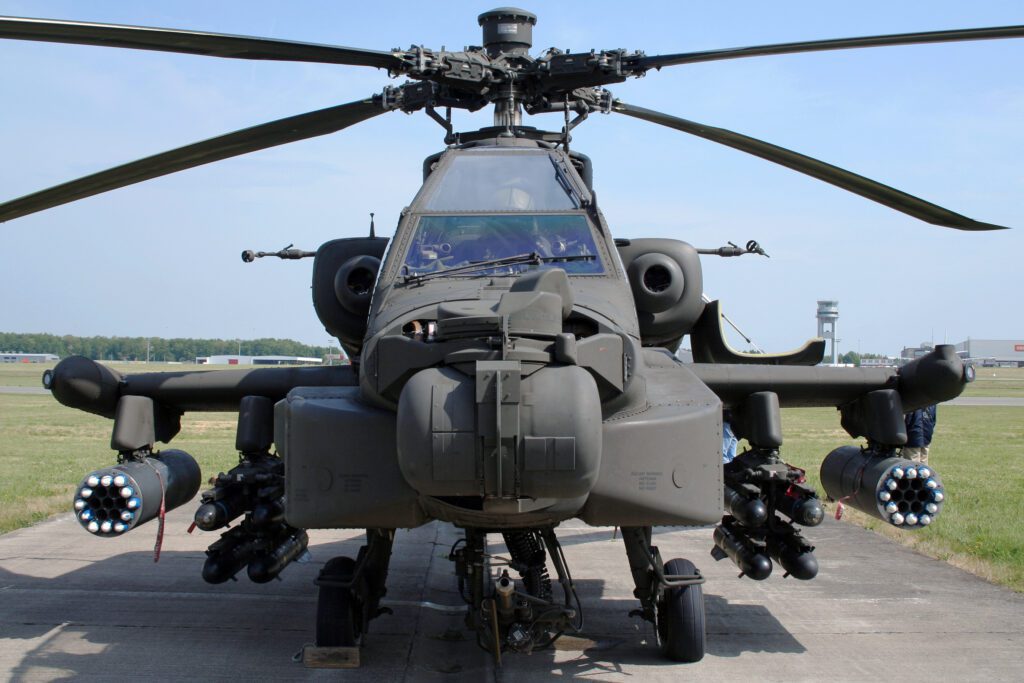
U.S. Army and Boeing 737 testing showed all-metal filters cut maintenance by up to 10 times, with fleet-wide savings of approximately $4 million per 100 flight hours.
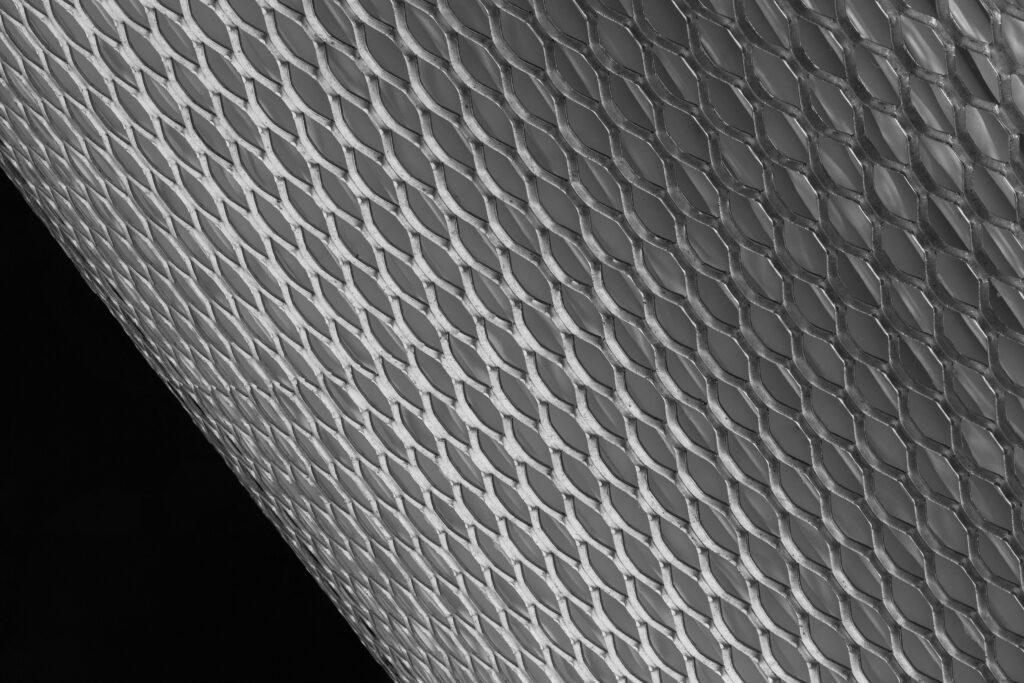
FCP metal mesh filters use epoxy bonding or brazing to prevent media shedding. Military testing showed approximately 95% contamination reduction.
A two-year U.S. Army study on 60 H-60 Black Hawk aircraft at Fort Rucker, Alabama documented what metal fiber media does when it replaces glass fiber media in a military hydraulic system. MTBF doubled for hydraulic pumps and primary servos. SAS actuator MTBF increased by more than 50%. In AGPU applications, hydraulic fluid reached Class 0 cleanliness, a level the Army described as previously unheard of. The Army estimated fleet-wide savings of approximately $4 million per 100 flight hours and issued an Aviation Maintenance Action Message directing conversion of the full AH-64 Apache and H-60 Black Hawk fleets to metal fiber media filter elements within three years. That’s the documented performance difference metal mesh filtration makes.
Source: Army Aviation Magazine, December 2022
In the Field: AH-64 Apache and H-60 Black Hawk
Published Army research confirmed that metal fiber media filter elements installed in the hydraulic systems of the AH-64 Apache and H-60 Black Hawk required no modification to existing aircraft architecture. After installation, MTBF doubled for hydraulic pumps and primary servos, SAS actuator MTBF increased by more than 50%, and hydraulic fluid reached Class 0 cleanliness in AGPU applications. If your platform runs a hydraulic system with similar demands, the case for metal mesh filtration is fully documented.
Woven metal mesh filters have been real-life tested against fiberglass across military and commercial platforms, and the results are consistent across every application.
Here is how metal mesh filtration performs across the platforms your systems support.

FCP metal mesh filters offer ratings as low as 3 microns and do not shed media, protecting military aircraft hydraulic systems under extreme operating conditions.

Testing on 120 helicopters over 36,000 hours showed failure rates across the hydraulic pump, primary servo, SAS actuators, and tail rotor servo dropped from 88% to 92%.

Metal mesh filters reduce costs across hydraulic, lube, air, oil, fuel tank inerting, and APU applications by cutting replacement frequency and extending component life.

FCP metal mesh filters use corrosion-resistant materials to deliver reliable contamination control in saltwater, variable pressure, and continuous duty cycle environments.
FCP metal mesh filters are engineered to perform across a full range of fluid types and operating conditions. Here is what that means for your system.
FCP manufactures a full range of precision metal filtration products for aerospace, defense, and naval programs. Every product is engineered for the pressure, temperature, and contamination demands of mission-critical equipment.
Your program deserves a filtration partner with a proven record in aerospace and defense. FCP’s metal mesh filters are trusted by GE Aviation, Raytheon Technologies, Lockheed Martin, Northrop Grumman, General Dynamics, and the U.S. Department of Defense. You are not working with an unproven supplier. You are working with the manufacturer those programs rely on.
Trusted by the programs that define the standard.
FCP’s metal mesh filters have been specified by GE Aviation, Raytheon Technologies, Lockheed Martin, Northrop Grumman, General Dynamics, and the U.S. Department of Defense. You’re not taking a chance on an unproven supplier. You’re working with the manufacturer those programs trust.





Your metal mesh filter needs to perform every time, in every condition. Every FCP filter is built from corrosion-resistant materials and held to strict aerospace and defense filtration standards, from production through delivery.
Your program requires a supplier you can qualify and count on. FCP holds AS9100 (Rev. D) certification and NADCAP approval, confirming our metal filtration systems meet the manufacturing and quality standards your application demands.

Your mission matters to us. As a Service-Disabled Veteran-Owned Small Business (SDVOSB), we build every metal mesh filter knowing it supports the safety and mission readiness of the men and women who serve in military, aerospace, and naval programs.
At FCP, we see ourselves as heroes helping heroes. We’re committed to delivering products that meet the highest quality and performance standards, helping our customers overcome operational challenges and achieve their goals. Your mission is our mission, and we’re here to support you every step of the way.


Made in the USA. Service-Disabled Veteran-Owned Small Business.
Since 1943, we’ve manufactured precision filtration products for the programs that can’t accept failure. Our engineering team is here to support your next RFQ, technical inquiry, or custom design requirement. We’ve been building for your mission for more than 80 years, and we’re not slowing down.
Your hydraulic, oil, air, and water systems depend on filtration that holds up under real operating conditions. FCP’s metal mesh filters are built for exactly that. Whether you are qualifying a new filter element, replacing legacy fiberglass media, or sourcing filtration for a new defense program, our engineering team is ready to help.
Request a quote or contact us directly to get started.
Metal mesh filtration raises technical questions from engineers and procurement teams evaluating a switch from traditional media. Here are the answers to the most common ones.
FCP metal mesh filters are available with absolute filter ratings as low as 3 microns. This covers the majority of hydraulic, oil, air, and water filtration requirements across aerospace and defense applications.
Fiberglass and cellulosic filters rely on adhesive binders to hold their fiber structure together. Under high-pressure, high-temperature, or high-cycle conditions, those binders break down, and the filter sheds particles into the fluid stream, adding contamination instead of removing it.
FCP filters are assembled using epoxy bonding or brazing, not welding. This protects the mesh structure from damage and maintains a stable, durable filter element that holds its rated performance across the full service life of the component.
Military and commercial testing has shown contamination reductions of approximately 95% in hydraulic systems after switching from fiberglass to metal fiber media. Your results will depend on system configuration and operating conditions.
A 36,000-hour test on 120 helicopters showed failure rates in the hydraulic pump, primary servo, SAS actuators, and tail rotor servo dropped between 88% and 92% with all-metal filters. U.S. Army analysis estimated fleet-wide savings of approximately $4 million per 100 flight hours.
A mechanical differential pressure indicator (DPI) monitors the pressure differential across a filter element. When that differential reaches a set point, the DPI signals the operator that the filter needs to be serviced. FCP’s DPIs are fully mechanical with no electrical components.
In most cases, yes. Metal fiber media filters can be configured as direct replacements for fiberglass elements in existing housings with no modification to the system architecture required. Contact our engineering team to confirm compatibility with your application.
FCP metal mesh filters are designed for hydraulic fluid, oil, water, air, bleed air, fuel, and coolant applications. Our filters are suited for high-viscosity, high-temperature, and corrosive fluid environments common in military and aerospace equipment.
Yes. FCP is AS9100 (Rev. D) certified and holds NADCAP approval. Both certifications verify that our manufacturing processes and quality management systems meet the standards required for aerospace and defense filtration supply chains.
Contact FCP’s engineering team directly through our website. Provide your application details, fluid type, flow requirements, and operating conditions, and we will identify the right metal filtration solution for your system.
Fluid Conditioning Products, Inc. is qualified among AS9100 certified companies and NADCAP approved suppliers for aircraft, coalescing and aerospace filters. We manufacture cleanable, wire mesh and stainless steel filters offering outstanding performance.
© 2026 , Fluid Conditioning Products, Inc. All Rights Reserved. Web Design & Hosting Provided By EZMarketing

